Understanding Natural Grass
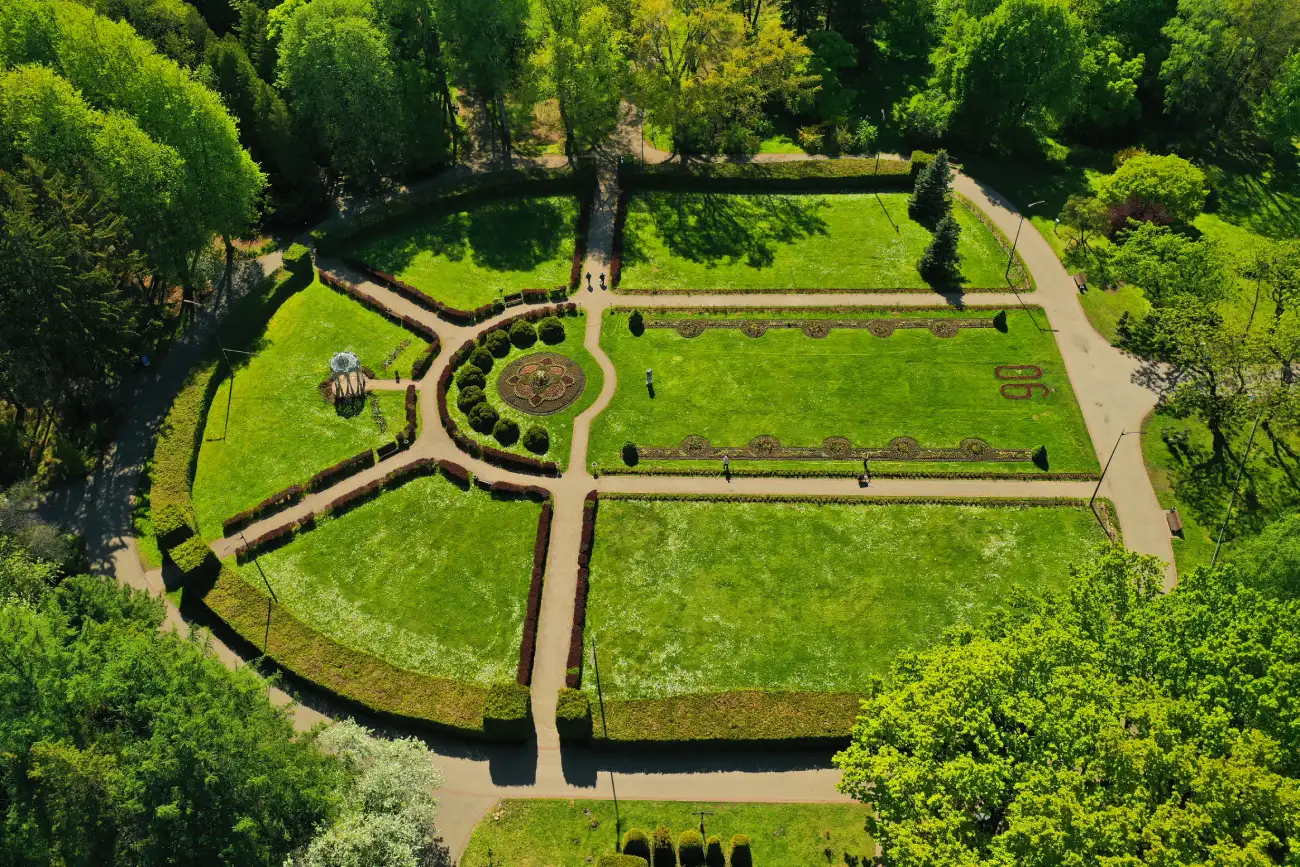
Natural grass is a living surface that grows from soil and requires regular care to maintain its health and appearance. It offers a fresh, organic feel that many homeowners prefer for its natural beauty and cooling effect.
Natural grass enhances the environment by improving air quality and reducing heat around the property. However, it also demands consistent watering, mowing, fertilizing, and seasonal care to keep it in good condition. Without proper maintenance, natural lawns can develop patches, uneven growth, and discoloration.
Understanding Artificial Grass
Artificial grass is a man-made surface designed to replicate the look and feel of natural grass. It is made from synthetic fibers and installed over a prepared base to create a clean and uniform lawn.
One of the biggest advantages of artificial grass is its low maintenance requirement. It does not need watering, mowing, or fertilizing, making it ideal for busy homeowners or areas with water limitations. It also maintains a consistent green appearance throughout the year regardless of weather conditions.
Maintenance Differences
Maintenance is one of the key factors when comparing both options. Natural grass requires ongoing attention including watering schedules, seasonal trimming, and pest control. This makes it more labor-intensive and time-consuming.
Artificial grass, on the other hand, requires minimal maintenance. Occasional cleaning and brushing are usually enough to keep it looking fresh. This makes it a practical solution for those who want a neat lawn without continuous effort.
Cost Considerations
Natural grass has a lower initial installation cost but higher long-term maintenance expenses. Water usage, fertilizers, lawn care equipment, and regular upkeep can add significant ongoing costs.
Artificial grass requires a higher upfront investment but offers long-term savings due to minimal maintenance needs. Over time, it can become more cost-effective, especially in areas with high water usage costs.